Belgium's road vignette from May 2027: what drivers from abroad pay
From 1 May 2027, every car and van under 3.5 tonnes driven on Belgium’s motorways and regional roads will need a digital vignette, whether it carries Belgian or foreign number plates. Wallonia’s government has approved the draft cooperation agreement with Flanders and Brussels and adopted, at first reading, the texts that put the scheme into law. For the French, Dutch and Luxembourg drivers who cross Belgium on their way home, free transit has less than six months to run.
What Wallonia has adopted, and what is still pending
The Walloon government took the decision on 10 September, according to its official press release. It approved the draft agreement between the three Regions and adopted, at first reading, the implementing texts. These now go before the bodies whose opinion is required: the Conseil de la Fiscalité et des Finances de Wallonie (the region’s tax and finance advisory council), the data protection authority and the Conseil d’État, Belgium’s highest administrative court. The cooperation agreement will also need the assent of the regional parliaments.
The scheme is well advanced but not final. The Brussels regional authorities state on their vignette page that the regulations and practical arrangements are still being drawn up, and that the amounts depend on the final texts. The calendar, however, is now public. On 6 November the Brussels portal be.brussels confirmed that the vignette can be bought from 2 April 2027 and becomes compulsory on 1 May 2027. The Flemish tax administration gives the same two dates.
Who pays, how much and on which roads
The vignette covers cars, mixed-use vehicles and vans up to 3.5 tonnes, registered in Belgium or abroad. Motorcycles, tractors and coaches are left out, and lorries already pay a kilometre charge. The Walloon government’s explainer lists targeted exemptions for some public-service and medical vehicles and for some people with disabilities.
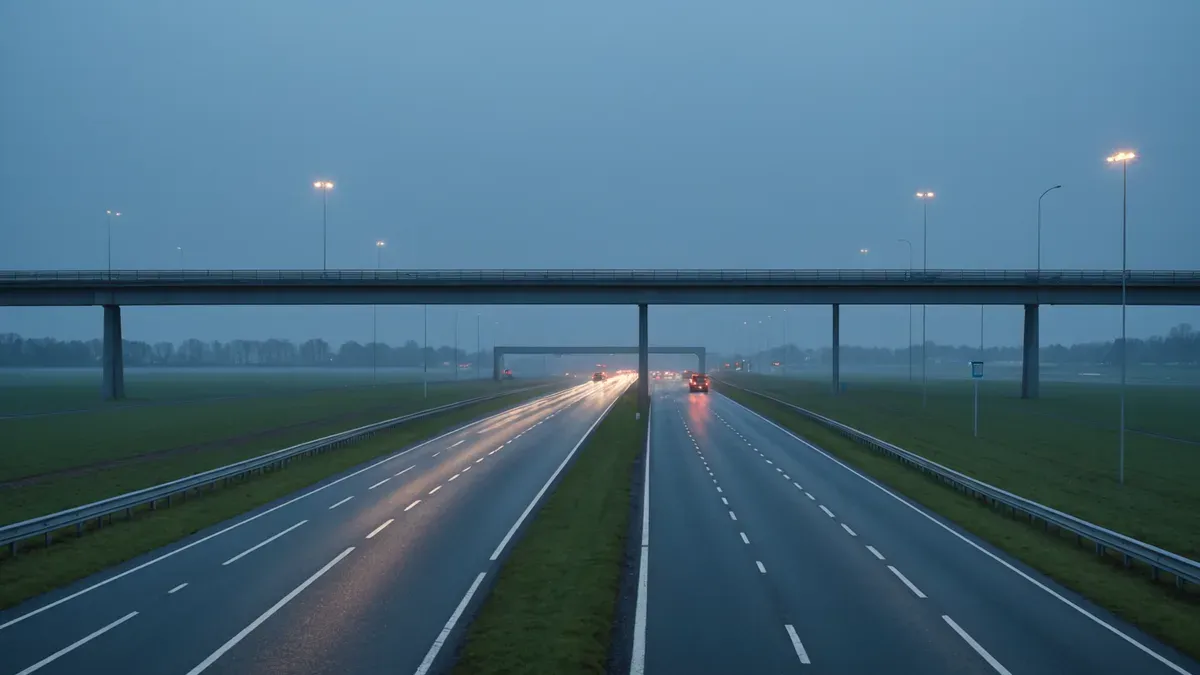
It applies on motorways, motorway ring roads and regional roads throughout the country; according to the Brussels authorities, a journey made only on local roads does not need one. Prices depend on the vehicle’s Euro emissions standard (Euro 4 and newer / Euro 0 to 3 / zero-emission):
- one day: €9 / €11.25 / €8.10
- ten days: €12 / €15 / €10.80
- one month: €19 / €23.75 / €17.10
- two months: €30 / €37.50 / €27
- one year: €100 / €125 / €90
There is no sticker. The vignette is bought online and attached to the number plate, and the registered keeper is liable. Checks will rely on number-plate recognition cameras and mobile teams. Driving without a valid vignette will cost a €70 administrative fine, which can be doubled or tripled for repeat offences. When the three Regions struck their deal in July, the public broadcaster VRT reported that a two-month tolerance period had been announced, and that sales at petrol stations were planned for foreign drivers and for people who are not at ease online.
Belgian residents and the question of compensation
EU law does not allow a road charge that, in practice, falls on foreigners alone. In 2019 the EU Court of Justice struck down Germany’s motorway toll on exactly that ground, and Wallonia’s mobility minister, François Desquesnes, has acknowledged to RTBF that exempting Belgian residents is impossible.
The Regions instead promise that overall car taxation will not rise. Flanders intends to rework its annual road tax, and its finance minister, Ben Weyts, has said that any such change produces winners and losers. Wallonia has mentioned adjusting its road tax or registration tax without giving details, and Brussels has not yet set out its approach. The Walloon government expects about €327 million a year from the vignette, roughly two-thirds of it from Walloon motorists and the rest from leased cars and foreign drivers, RTBF reported.
In French: « vignette routière » — road vignette, a time-based pass that gives the right to use a road network. Belgian media also say « vignette autoroutière » (motorway vignette), although the Belgian scheme covers regional roads too. In Dutch, the word is « wegenvignet ».
What it means if you live abroad
Some 30 million foreign cars use Belgian roads each year, according to VRT, and all of them are concerned.
- French residents of the Netherlands, Germany or Scandinavia driving home. On a Euro 4 car, a round trip on day passes costs €18, or €12 if both legs fall within ten days. With day passes, the €100 annual vignette pays for itself from the sixth round trip in a year; with ten-day passes, from the ninth. Owners of a holiday home in France, who are already budgeting for council tax on second homes, may want to do the sum.
- Cross-border workers. Luxembourg asked Wallonia for an exempt border zone, but the Walloon announcement made no mention of it, the Luxembourg business daily Paperjam noted; the exemptions in the texts concern certain vehicles and people, not areas. French frontaliers living in Belgium and working in Luxembourg will need a vignette for any motorway commute, a cost to add to the tax rules for cross-border workers in Luxembourg.
- Dutch residents near the border. The Dutch infrastructure minister called the plan very disappointing and said he understood it contained no relief for commuters in Limburg and Brabant, the public broadcaster NOS reported.
- Voters. Anyone planning to drive back to France to vote in person in spring 2027, rather than voting from abroad, should check whether the trip falls after 1 May.
The next dates to watch
The opinions of the advisory bodies and of the Conseil d’État come first, followed by the final adoption of the Walloon texts and the formal conclusion of the agreement between the three Regions. The detail of compensation for residents, region by region, is still to come, as are the exchanges with the European Commission that Desquesnes told La DH were scheduled. Sales are due to open on 2 April 2027, and the vignette becomes compulsory on 1 May 2027.
This article was written with the assistance of artificial intelligence.
Editorial policy and use of artificial intelligence